"Hey, can you pull last quarter's conversion rates by channel? Just need it for a 2pm meeting. Should take five minutes."
You know this dance. What starts as a "quick question" turns into twenty minutes digging through tables with names like dim_customer_acquisition_funnel_v2_final_ACTUAL. Meanwhile, your Slack shows 3 more "quick questions" from other teammates.
Each request feels reasonable in isolation. But your day has become a series of context switches between Slack conversations and data tools, playing human middleware between people who have questions and databases that have answers.
The five-minute lie
"Can you quickly check our churn rate?" isn't a five-minute task when you factor in remembering which table has clean data, writing the query, and formatting results. But we maintain the fiction because admitting the truth would make everyone feel guilty for asking.
This is why data teams burn out. Not because the work is hard, but because it's constant and unplannable.
Ana enters the chat
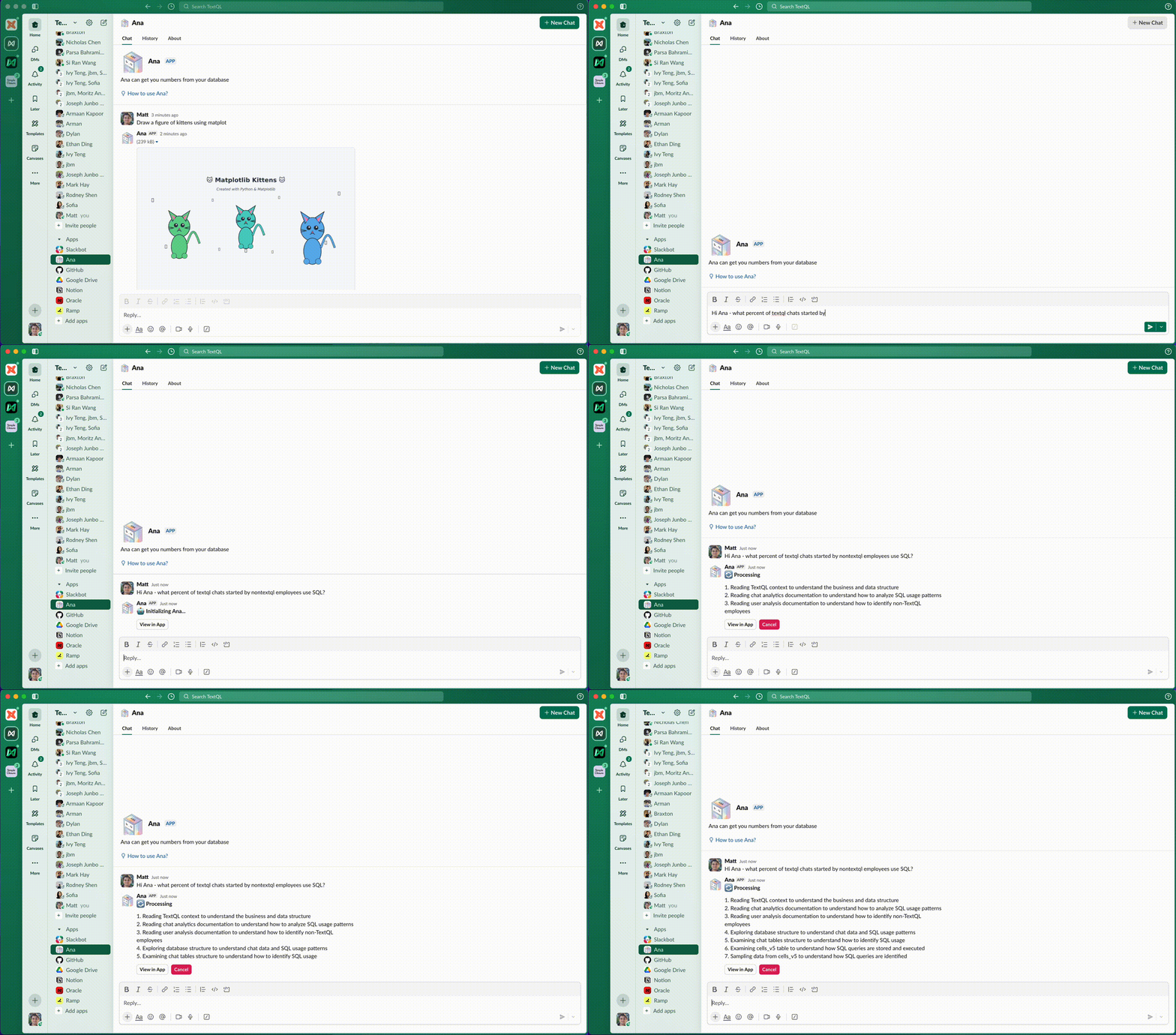
Now when someone asks a "quick question," you can tag @Ana directly in the thread. @Ana what were our conversion rates last month? gets answered right there.
Ana reads the full conversation thread, so follow-ups like "what about broken down by channel?" maintain context. When someone shares a competitor screenshot asking "are we tracking metrics like this?" Ana can see the image and actually answer.
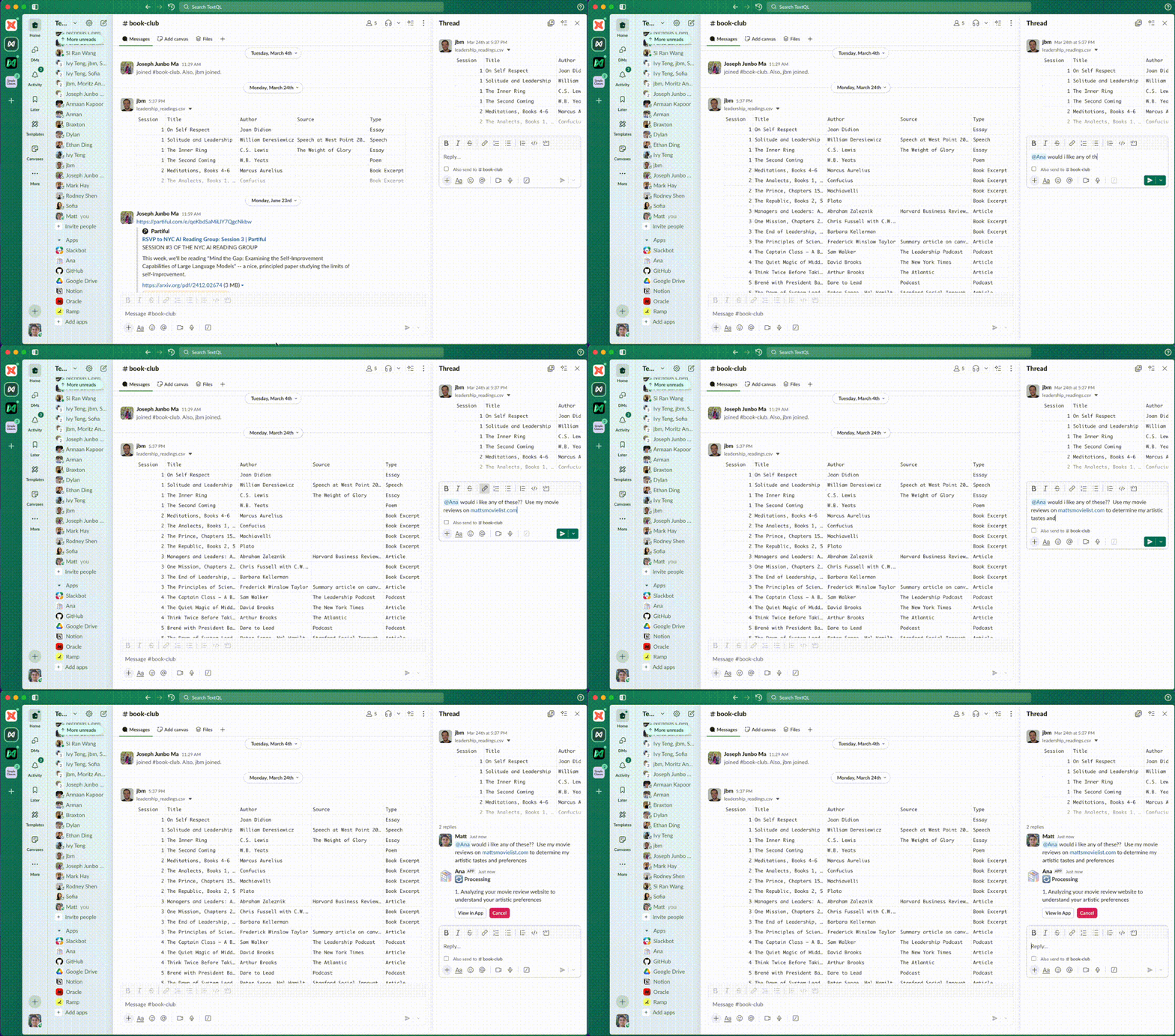 In a Slack channel, use @Ana in your message to start a new chat with Ana.
The real win isn't speed—it's sanity
Ana in Slack doesn't just make data requests faster. It makes them ignoreable. Those requests get handled in parallel while you do actual work. Your teammates get better answers faster, and you maintain focus on projects that require deep thinking.
You can customize Ana's behavior by channel too—marketing focuses on growth metrics, finance on revenue data, engineering on performance metrics.
The best AI integrations disappear into existing workflows. Ana isn't about making people use AI more. It's about removing friction that prevents people from getting answers when they need them, where they need them.
Log in here to add Ana to your Slack workspace, or check-out the full documentation.