The only employee who works harder when you're unconscious.
Haven't seen our weekly product launch video series? See our last week's blog: Ana Launch
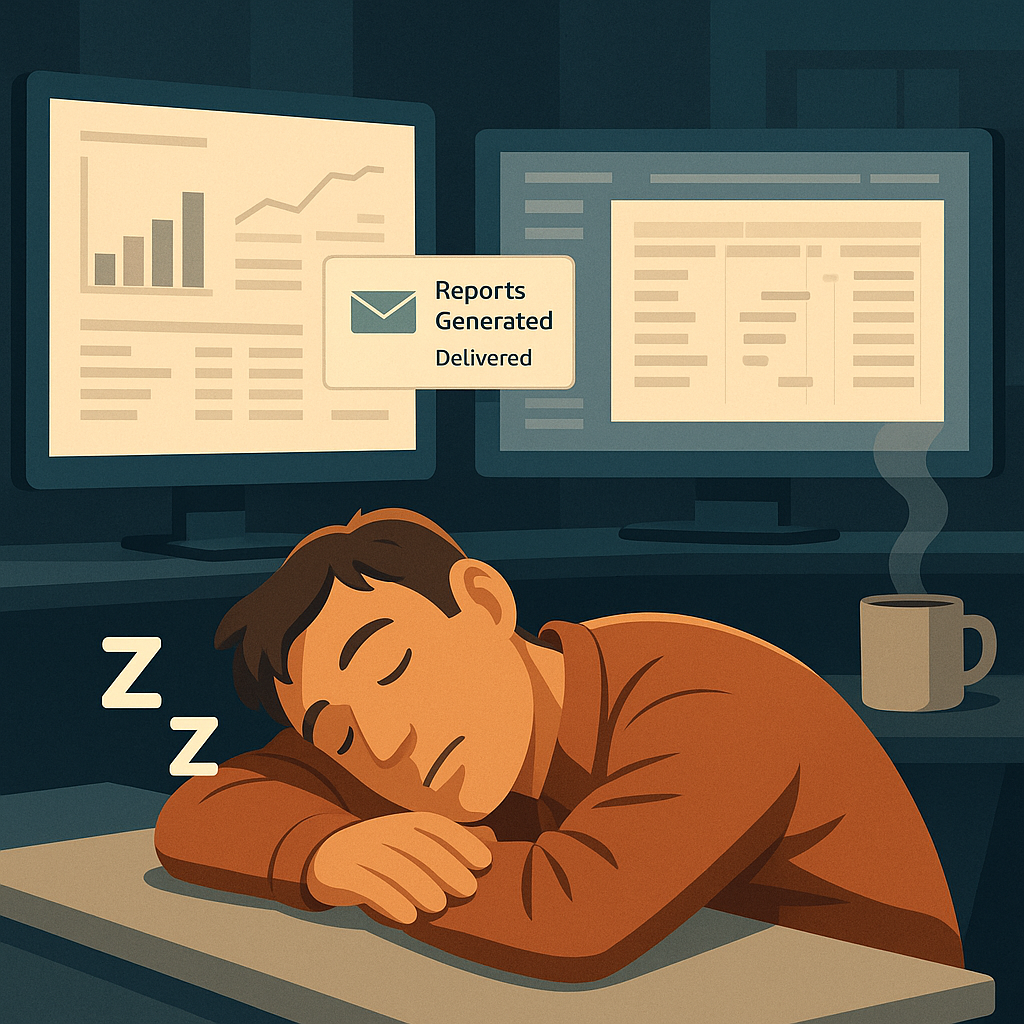
Picture this: Matt needs customer usage analysis for tomorrow's call. He slacks Ben at 6 PM. Ben's taking a well-deserved nap at his desk. But somehow, the reports still land in Matt's inbox, complete with insights, visualizations, and executive-ready formatting.
Plot twist: Ana never sleeps.
Today we're launching Playbooks: stored repeatable instructions that let Ana run your most important analysis while you're doing literally anything else.
(Start here: https://app.textql.com/playbooks
Or learn more here: https://docs.textql.com/core/how-it-works/playbooks)
The 3 AM Advantage
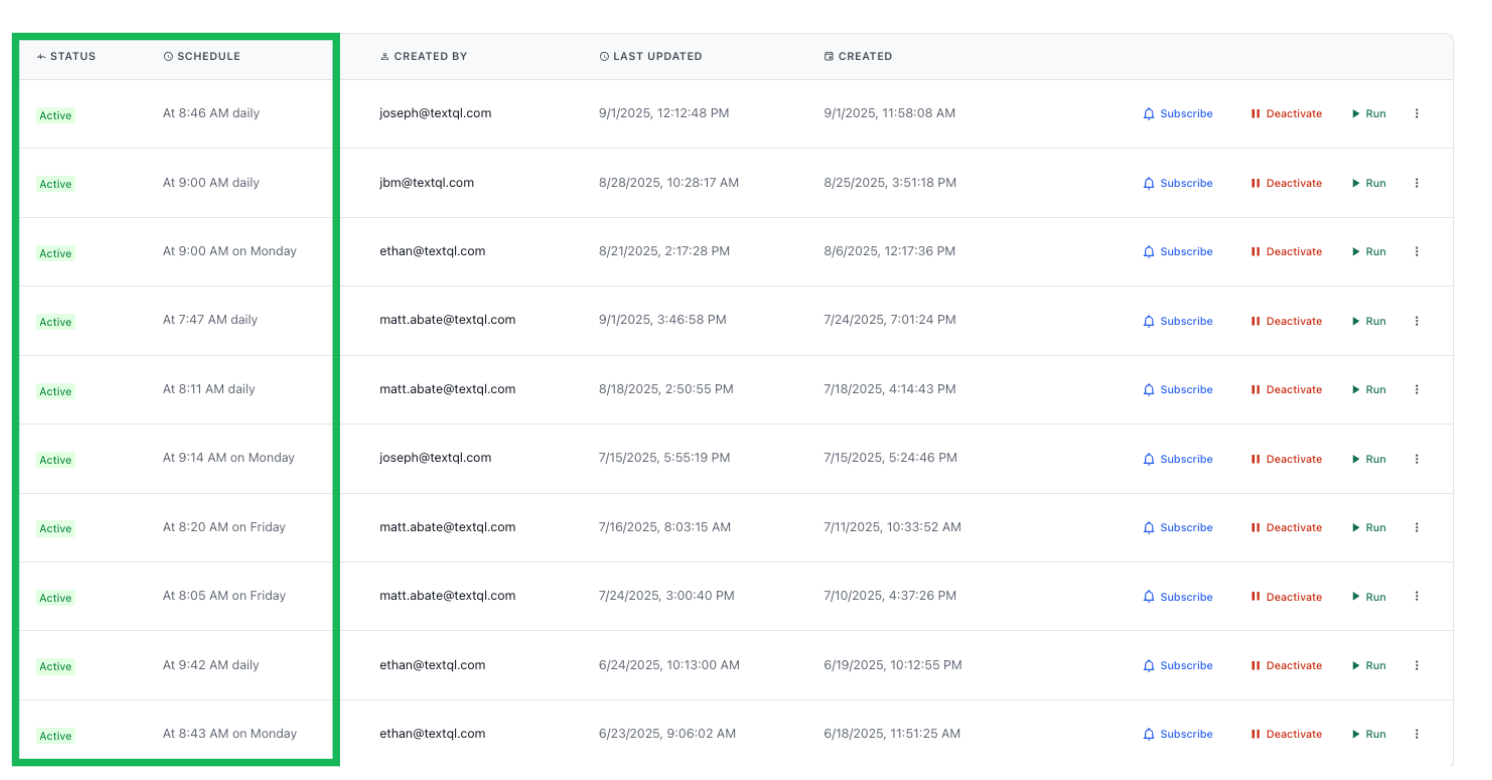
Your customers don't stop using your product at 5 PM. Your European users are most active while you're asleep. Your weekly board reports are due Monday morning, which means someone's weekend gets sacrificed unless you automate it.
Playbooks solve this the obvious way: Ana does the work when you're not around to do it yourself. Set a customer health check to run every Sunday at 2 AM. Schedule pipeline review reports for 7 AM Monday and send directly to customer’s inbox.
No more setting up the same filters, exporting data, running the same analysis, plotting the same types of charts, only to monitor a few numbers in the same sentence as last week. Ana got you covered. Go take that lunch break or nap you deserve so you focus better on the more demanding tasks.
Stored Instructions, Infinite Execution
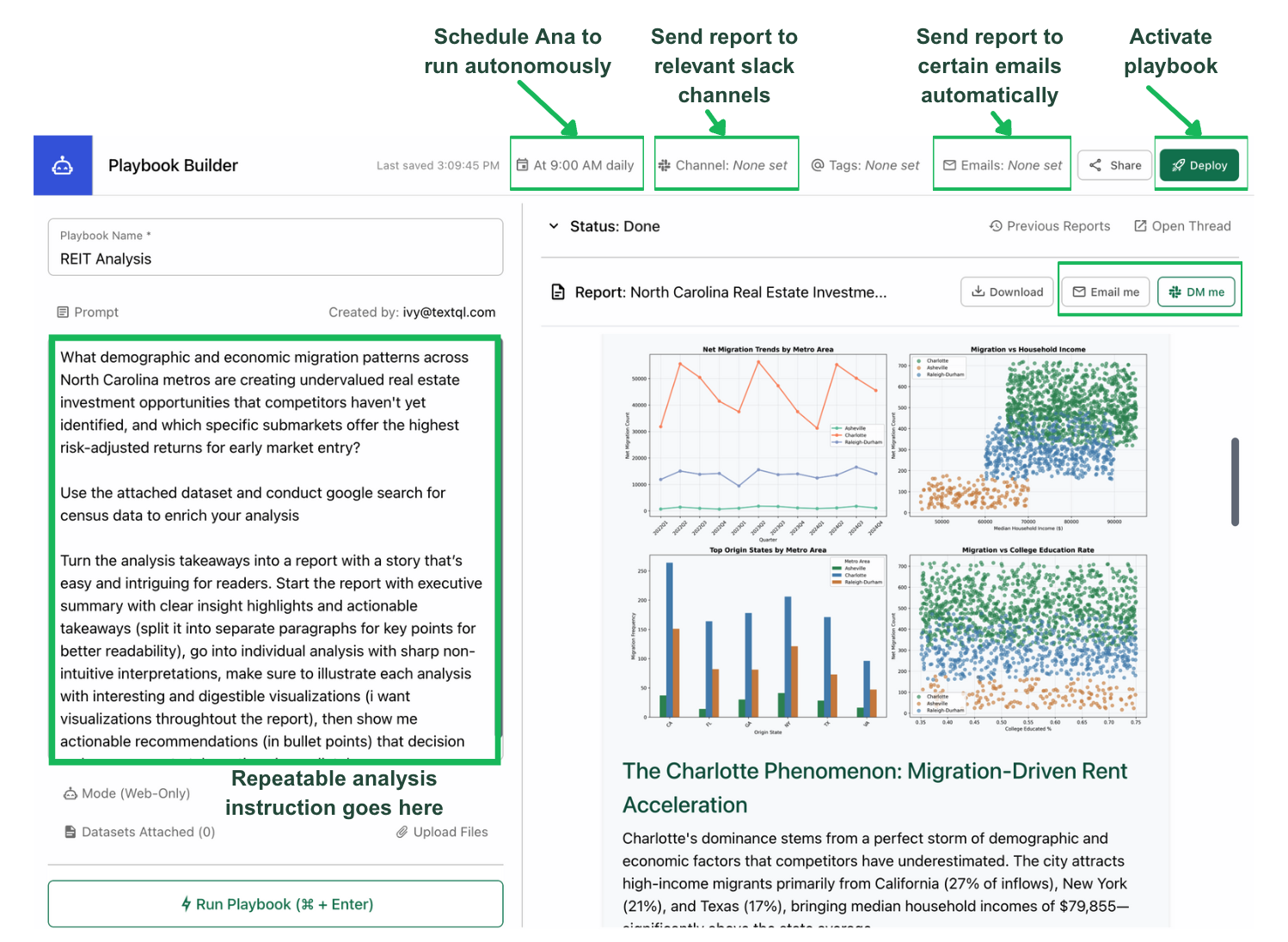
A Playbook is simple in concept: you teach Ana how to answer a business question once, and she remembers how to do it forever. Not just the SQL and Python, the entire analytical workflow.
Matt's customer usage Playbook contains:
- Which data sources to query (product analytics, CRM, support tickets)
- How to calculate meaningful metrics (how your business calculates fiscal year, how your team defines “power user”)
- What visualizations communicate the story best & specs (including color schema your team prefers, and that 3D pie chart that goes with the last board meeting)
- Side notes to Ana such as “be sure to identify interesting patterns worth highlighting!”
Once configured, Ana runs this exact process on demand or on schedule. Same methodology, same quality, zero manual intervention.
The Customer Call Game-Changer
Here's the specific workflow Matt showed in the video. He's got a customer call in an hour and needs to review their usage patterns. Instead of panic-pulling data from three different systems, he runs his pre-built "Customer Usage Deep Dive" Playbook.
90 seconds later, he has:
- Usage trends over the last 2 weeks
- Feature adoption analysis
- Comparison to similar customer cohorts
- Identified growth opportunities
- Potential churn signals flagged
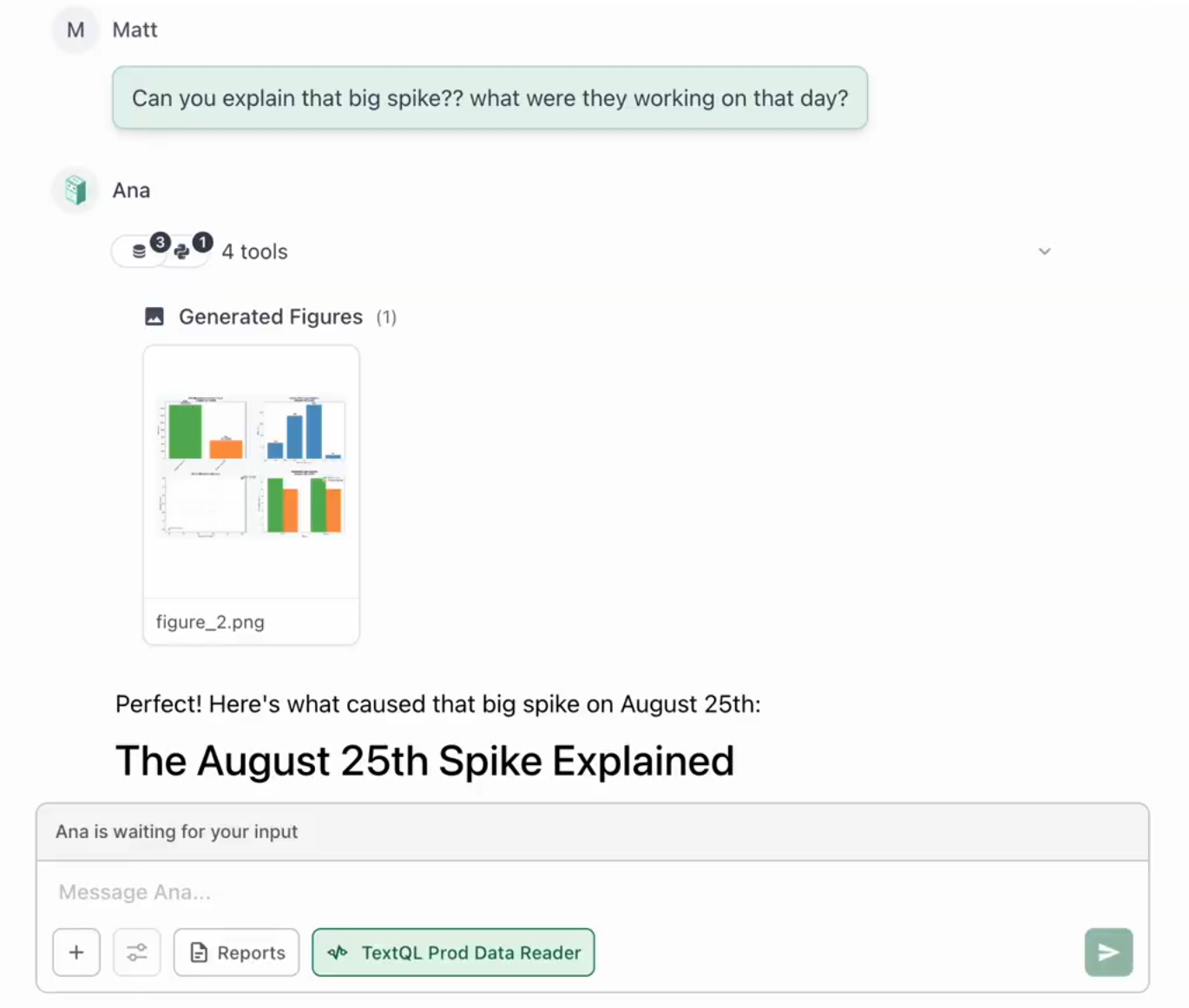
But Ana doesn't stop at descriptive analytics. When she spots that Wednesday spike, she automatically generates follow-up questions: "Usage peaked around 2 PM EST. This correlates with a product release. Want me to analyze which specific features drove the increase?"
The conversation becomes collaborative. Matt can dig deeper, ask follow-ups, and add customer-specific context—all within the same thread. It's like having a data analyst in the room who actually knows the business context.
The Duplication Multiplier
The magic happens when Matt realizes this isn't just useful for one team. He duplicates the Playbook, customizes it for each team, and suddenly every customer call includes the same caliber of preparation.
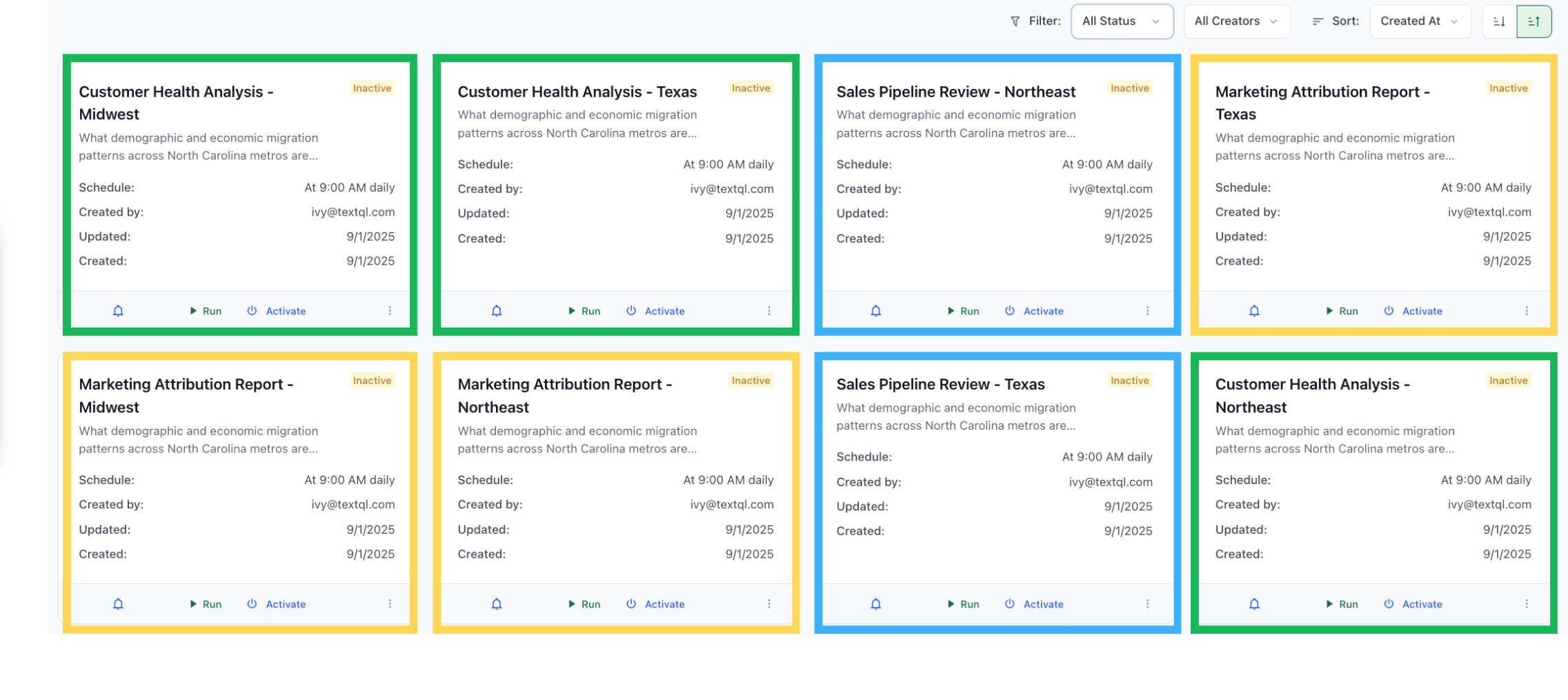
Ben takes it further—he sets each customer's Playbook to run automatically before their weekly check-ins and deliver results to their shared Slack channel. No more manual preparation. No more "quick analysis" requests that derail the team's Tuesday morning.
This is the compounding effect of automation done right. One hour spent building a Playbook saves twenty hours per month of manual analysis. Multiply that across every recurring report your team produces, and you're looking at giving entire weeks back to your analysts.
The Technical Reality Check
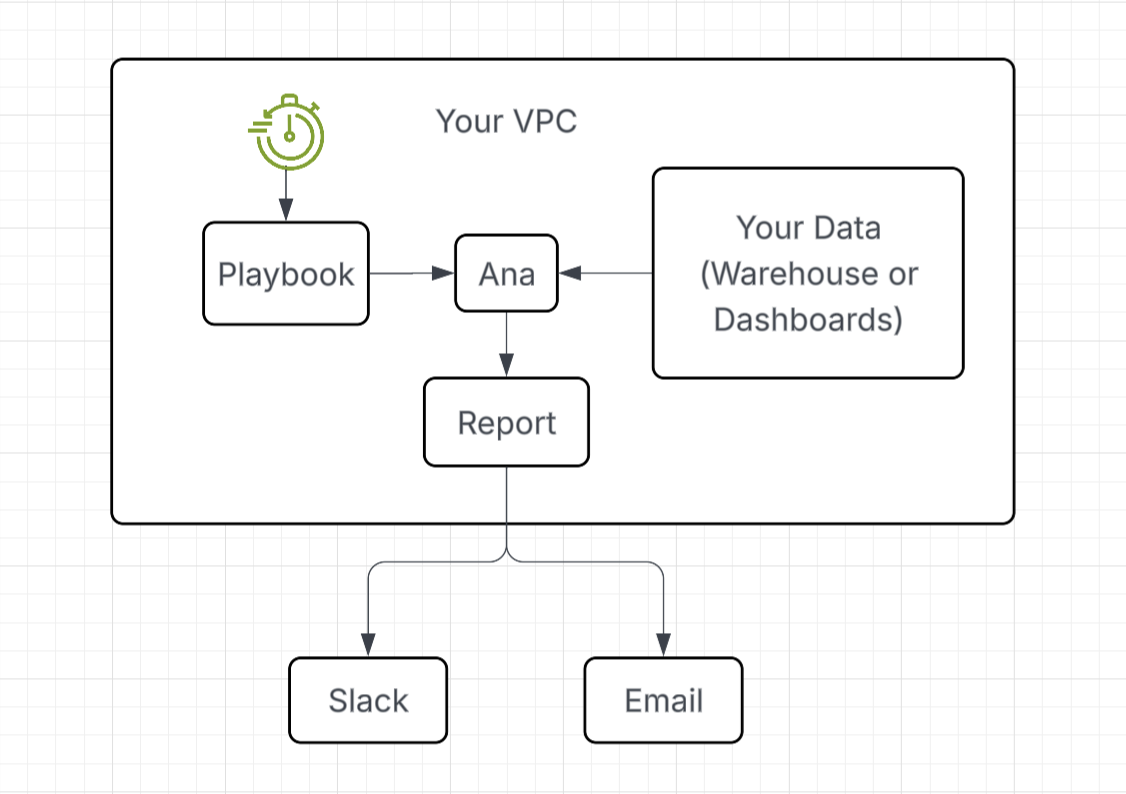
Building reliable autonomous analysis isn't trivial. The reason your current dashboards break every time someone changes a column name is because traditional BI tools assume static schemas and clean data.
TextQL’s Playbook engine sees your data for what it is: a constantly evolving reflection of your business operations. When your fiscal calendar changes, Ana adjusts the analysis logic. When new data sources get added, Ana incorporates them into existing workflows. When business definitions evolve, Ana maintains consistency across historical comparisons. This is why Playbooks produce reliable results while traditional automation produces "Please contact your administrator" error messages.
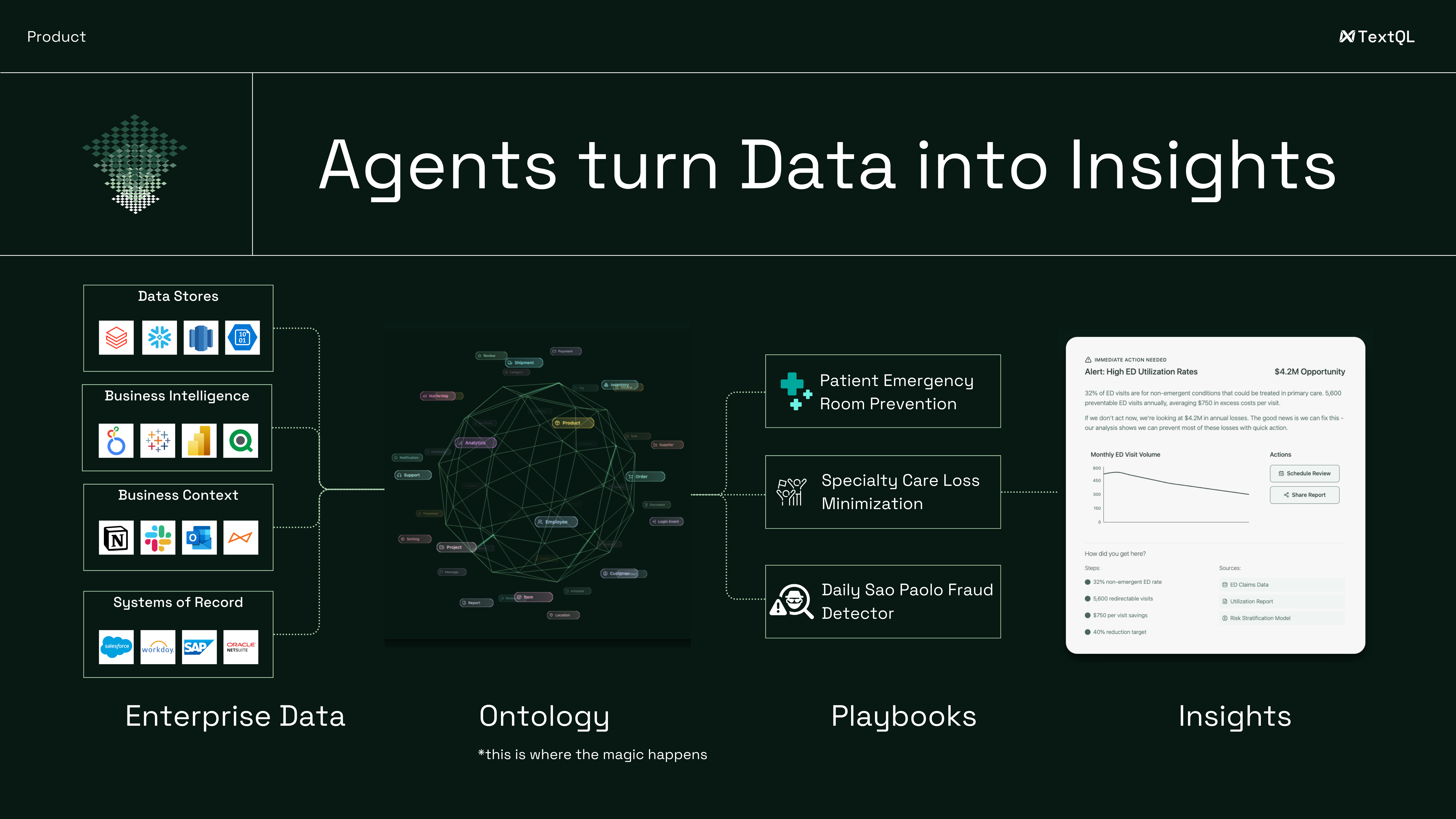
We also build an Ontology which is our proprietary semantic layer so that Ana knows exactly all your business definitions and data associations. We’ll dive deeper on that in a few weeks, but it is the self-healing semantic layer that makes this possible.
Build Your Playbook
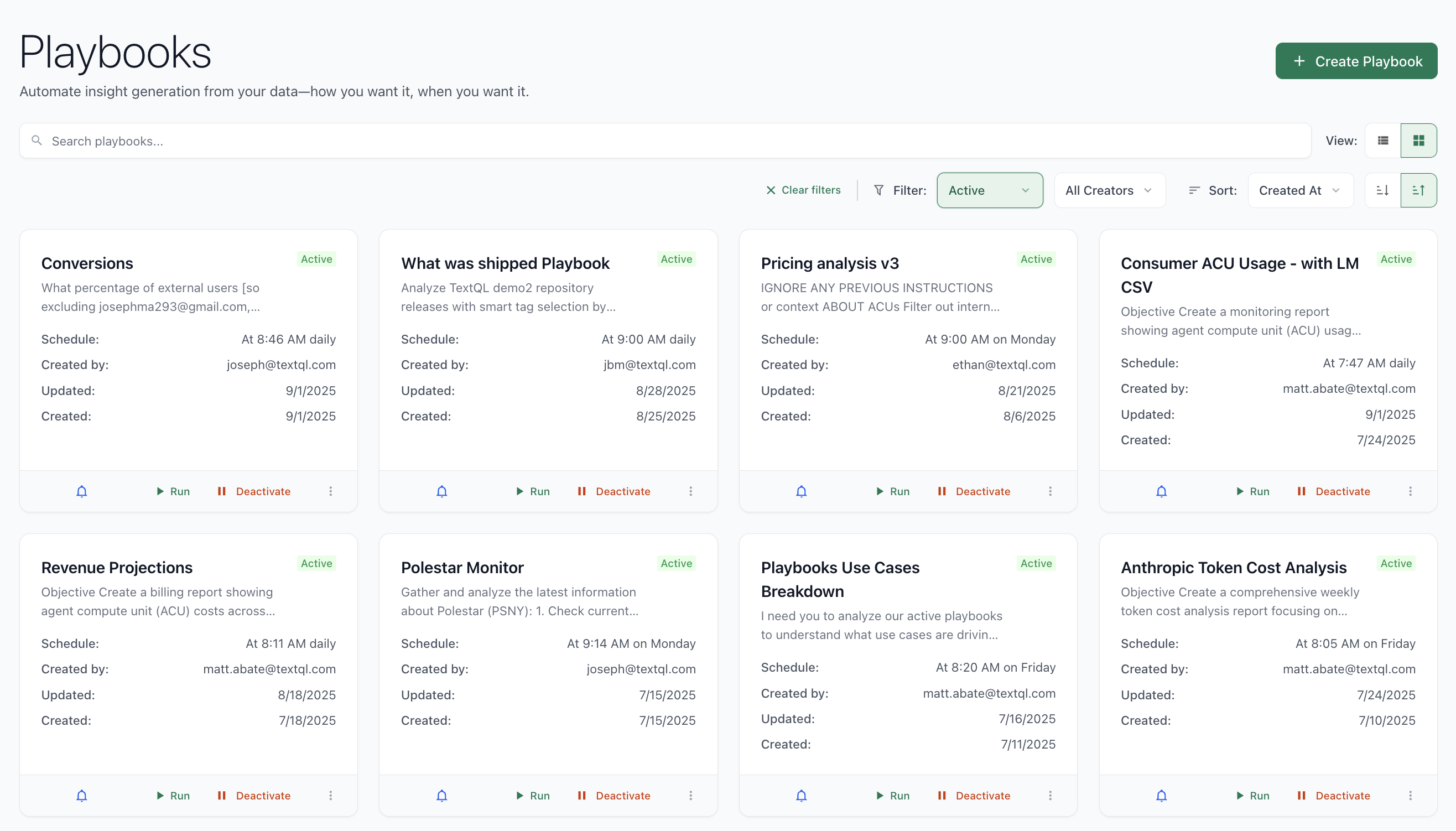
Playbooks are generally available. Setup takes 10-15 minutes. Connect your data sources, define your analysis scope, set your schedule, test the output. Ana handles everything else.
Unlike enterprise implementations that require months of consulting, Playbooks work with your existing infrastructure immediately. Your current warehouse, your existing semantic layer, your teams' preferred communication tools, all of which are compatible from day one.
Request a demo at https://textql.com/request-demo
Or if you’re already set up, make your first playbook at https://app.textql.com/playbooks
We'll build a custom Playbook for your most time-consuming recurring analysis during the call. You'll watch Ana execute your actual business logic on your real data before we finish the demo. No proof of concept required—either it works immediately or it doesn't.
The companies that win in 2025 will be the ones where humans focus on strategy while AI handles execution. The question is whether you want your analysts writing SQL at 2 AM, or whether you want them designing better questions for Ana to answer autonomously.
Your choice. Ana's already working.