

How Blackstone leverages TextQL to enhance its data and analytics capabilities
Thousands of tables, hundreds of fields per table, billions of rows. Blackstone’s team brought TextQL in to make every one of them queryable — without depending on the small group of people who know how everything joins together.
'%20fill='%23fff'/%3e%3c/svg%3e)
1000s
tables made queryable in plain English
Billions
of rows reasoned across by Ana
1 prompt
to schedule a recurring analytics workflow that runs itself
“When I walked out of the first meeting with TextQL, I thought, wow, this is a product that many of our portfolio companies could benefit from.”
Blackstone works against petabytes of data — spread across cloud warehouses and on-premises systems, with millions of dollars in market data layered on top. The raw material for almost any business question lives somewhere in there. The challenge isn’t getting the data. It’s getting to it.
Before TextQL, the path from a business question to a defensible answer ran through that short list. They knew which tables held which facts, which ones could be safely combined, and how to phrase a query so it didn’t quietly miscount along the way. Reconciling company names, removing duplicates, lining up the right records — every question routed back to the same handful of experts.
When the data layer is a group of people
Thousands of tables, hundreds of fields per table, billions of rows. A short list of people knew how it all fit together.
A question from a senior leader, pulling across several datasets, segmenting by time period, rendering into a dashboard, would land in an analyst’s queue and come back in days, sometimes a week. None of the institutional knowledge that made the answer possible was written down in a form a tool could use.
Generic AI query tools couldn’t fill the gap. They could produce a query, but they didn’t know which tables were trustworthy, how they connected, or where the cleanup logic lived. In a regulated, high-stakes business, a confident wrong answer is worse than no answer at all.
Scaling that model meant one thing: hiring more and more people.
“I’ve been surprised often by its capability. I asked it to make me a “playbook” — give me a runbook for solving a problem. It turns out TextQL has a feature called Playbooks. It knew about its own capabilities and configured a scheduled playbook itself. To this day, every Monday morning, I get the results of that question in my email.”
Solution
Pointing Ana at the warehouse
Blackstone validated TextQL’s agent, Ana, against analytics they already maintained — a benchmark with answers they could verify line by line. Ana matched them, faster, and the team could keep asking follow-up questions in the same thread.
The setup is the underappreciated part. You point Ana at your databases, and it explores the data, works out how everything connects, and writes down what it all means. What usually takes months of painful manual mapping happens in days — with the kind of precision a firm like Blackstone actually needs.
The gap between question and answer, closed
The biggest impact wasn’t a faster query. It was the time before the query — finding the right tables, working out how they fit together, knowing what to trust. That’s where the days got spent.
Quarterly impact
Key Results
1000s
tables made queryable in plain English
Billions
of rows reasoned across by Ana
1 prompt
to schedule a recurring analytics workflow that runs itself
From days to seconds
Locating the right data and figuring out how to combine it used to depend on the few people who held that knowledge. Ana does it directly against the warehouse, in seconds.
Correctness you can defend
Every answer ships with the work behind it: which tables it touched, how it combined them, what filters it applied. In a regulated business, that’s the difference between a useful answer and an unusable one.
Self-aware tooling
Ana knows its own capabilities. Asked for a “playbook,” it set one up on its own — and now it delivers the answer to email every Monday morning.
More people working with the data
With Ana handling the legwork, the bar to ask a useful question dropped from “expert” to “anyone who can describe what they want.”
The bottleneck has never been the analysis itself. It’s everything that has to happen before the analysis can start: finding the right data, remembering how it fits, phrasing the question in a way that won’t quietly produce the wrong number. Move that work from a small group of people into a tool the whole organization can use, and the firm can scale insight without scaling headcount.
“The more questions you can ask, and the quicker the turnaround time from asking the question to getting results back, the more you can actually start to ask more and more informed questions.”
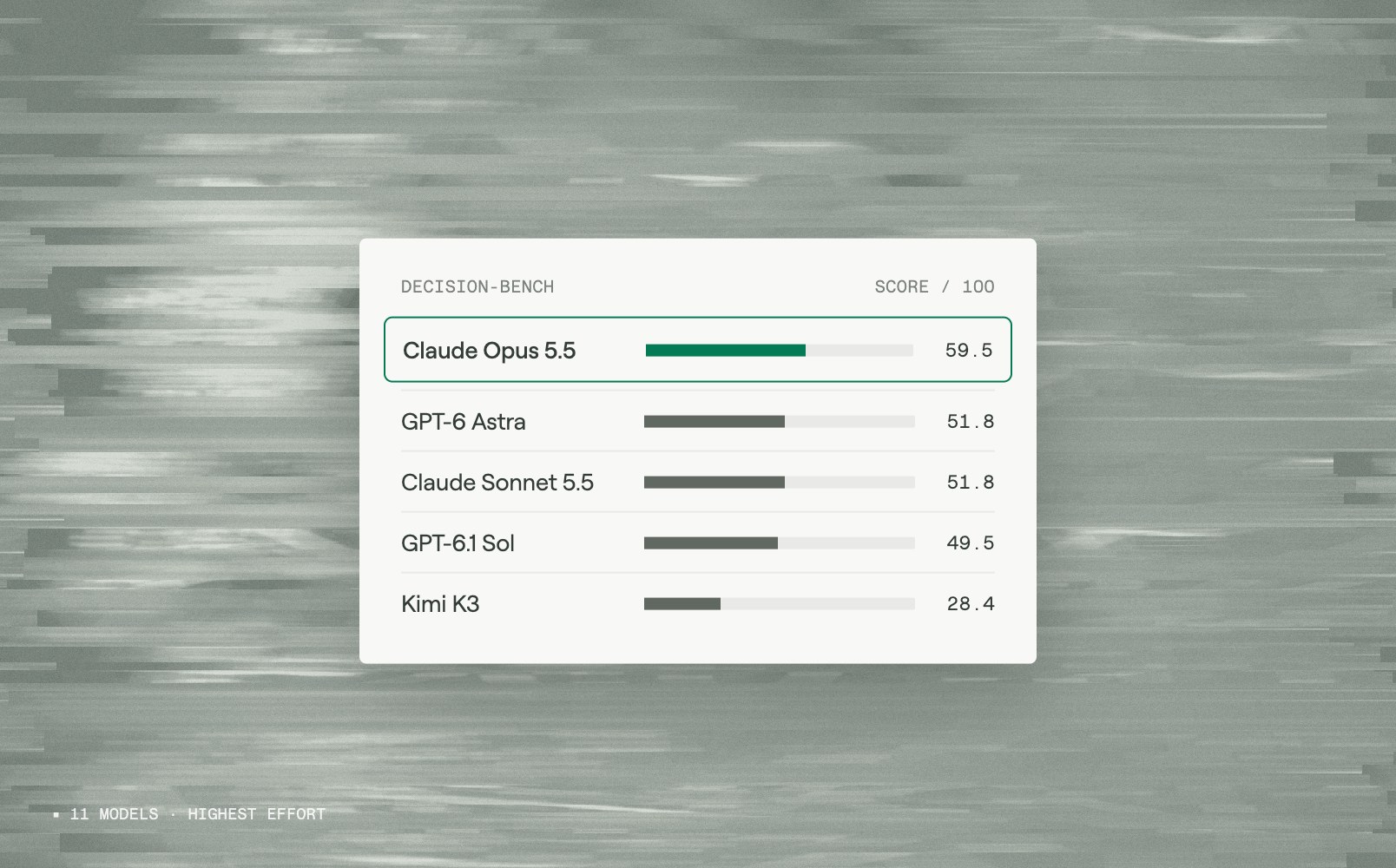
Decision-Bench: A Frontier Benchmark for Enterprise Decisions
The first evaluation framework for decision-making in complex enterprise environments, measured in dollars.
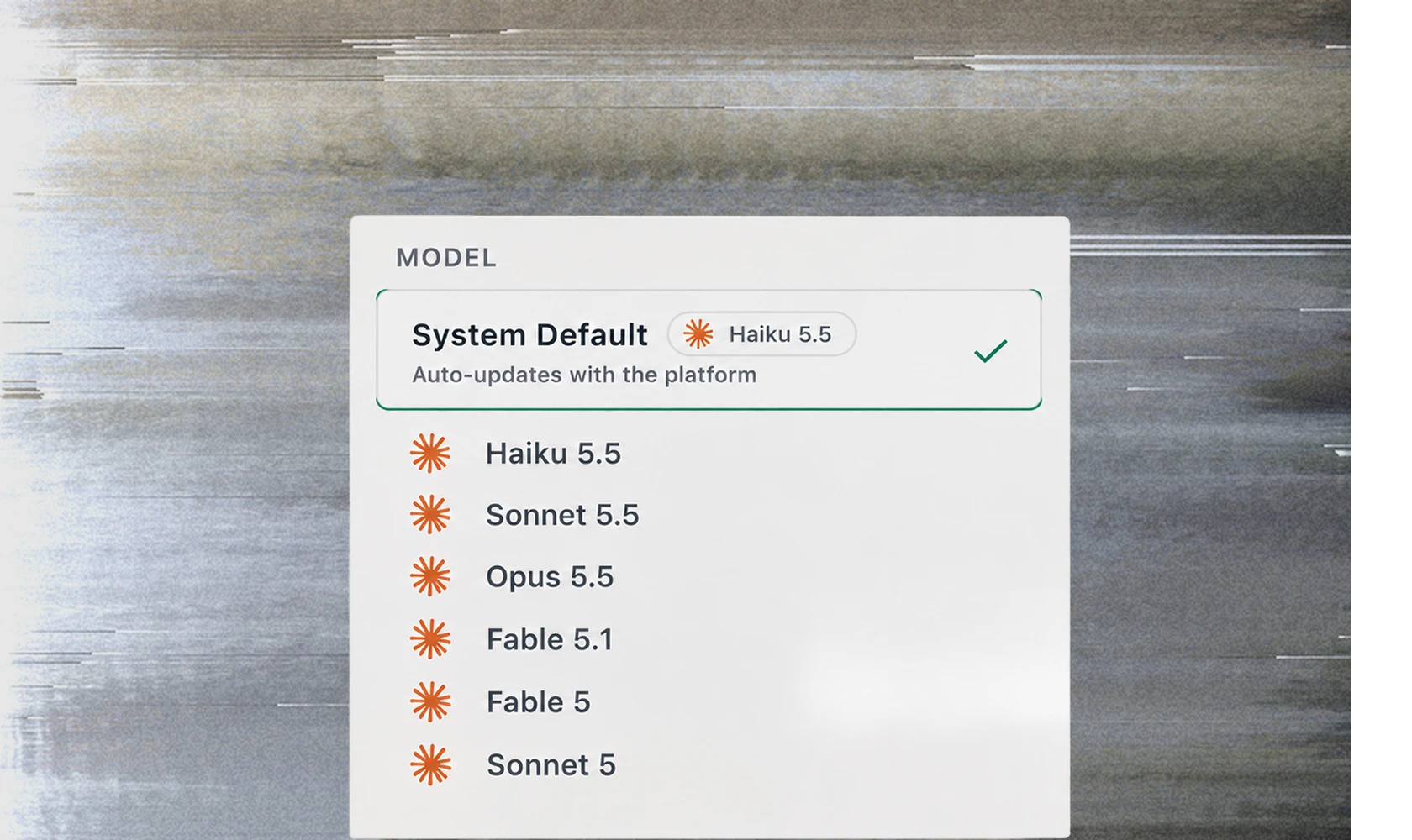
Claude Haiku 5.5: Cheaper Routine Data Work
At low effort, Haiku 5.5 more than doubles Haiku 4.5’s Decision-Bench score at less than half the cost. Higher effort still leaves a large gap with GPT-6.1 Sol.
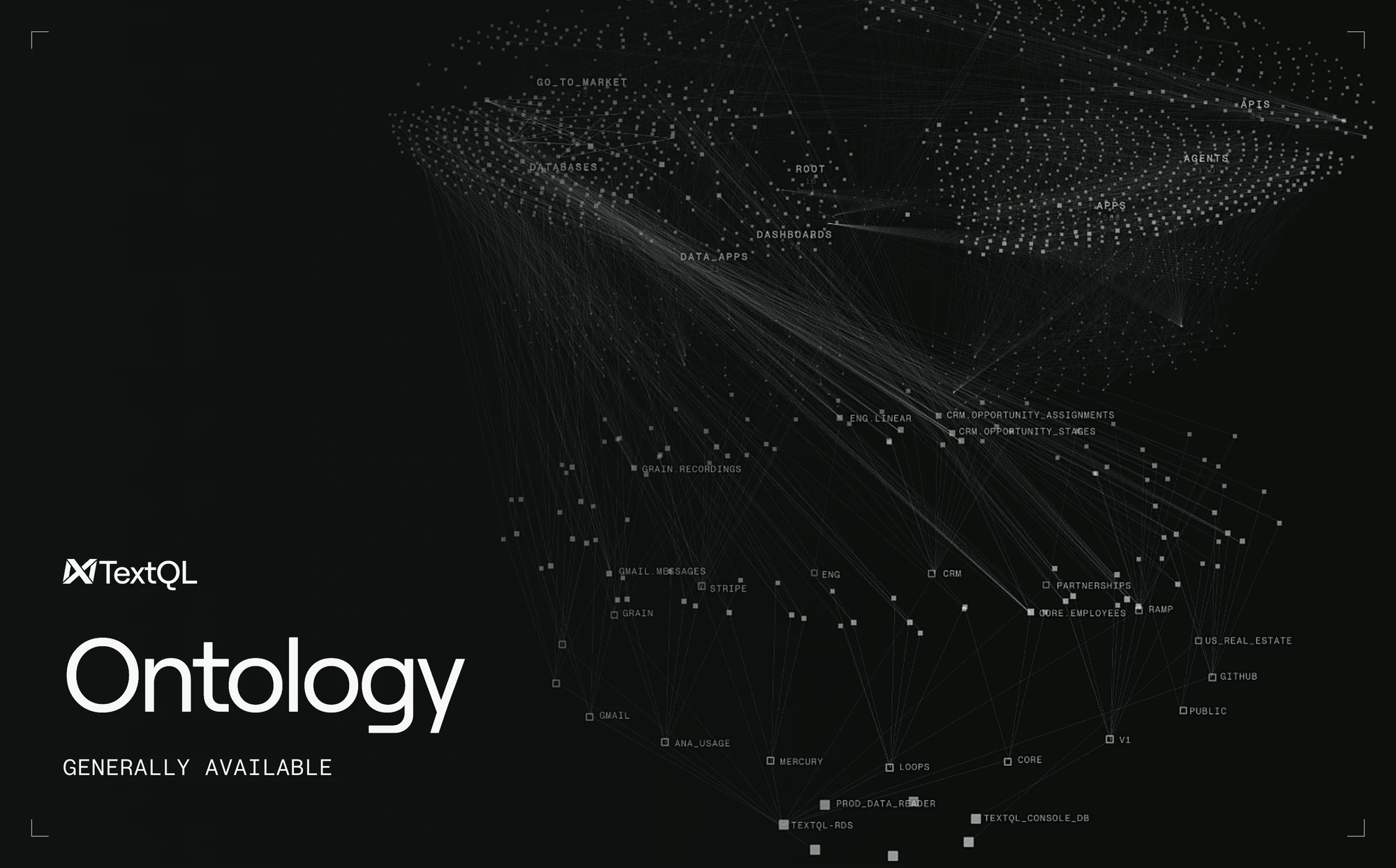
TextQL's Ontology is Now Generally Available
A file-system approach to consolidating business knowledge as code and giving agents a more direct path from questions to execution.